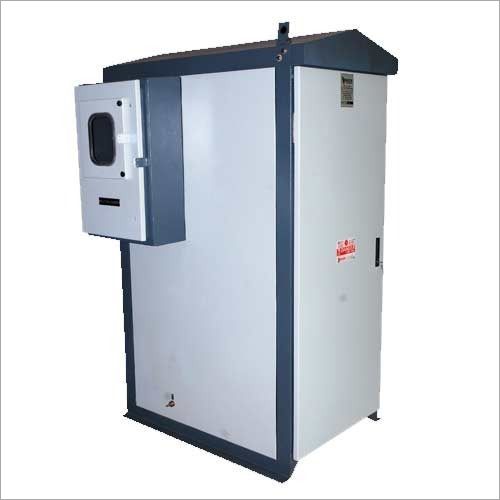
1. What is a CT-PT metering cubicle?
A CT-PT metering cubicle is a panel that houses current transformer and potential transformer based metering equipment for accurate high-voltage energy measurement, monitoring, and billing.
2. Why are CT and PT used in HT metering?
CT and PT are used to step down high current and voltage values to safe measurable levels so that standard energy meters and instruments can record consumption accurately without direct exposure to HT levels.
3. What is an HT metering cubicle used for?
An HT metering cubicle is used to measure electrical parameters and energy usage in high-voltage power systems. It is commonly installed at utility connection points, industrial feeders, and energy billing interfaces.
4. What are the main components of an HT metering cubicle?
A typical HT metering cubicle includes current transformers, potential transformers, energy meters, protective devices, terminal arrangements, control wiring, busbars, and a compartmentalized enclosure designed for safe operation.
5. Where are HT metering cubicles commonly installed?
They are commonly installed in utility substations, industrial plants, commercial buildings, campuses, infrastructure projects, and other facilities where accurate high-voltage energy monitoring and billing are required.
6. Can HT metering cubicles be customized for project requirements?
Yes. HT metering cubicles can be customized based on voltage class, CT/PT ratio, metering arrangement, enclosure type, utility standards, mounting configuration, and project-specific protection or space requirements.